
Automation Services for Efficient and Reliable Enterprise Operations
We provide automation services that help organizations reduce manual effort, improve process consistency, and increase operational efficiency. Our automation approach focuses on reliability, scalability, and integration with existing enterprise systems rather than isolated task automation.
What Is Automation?
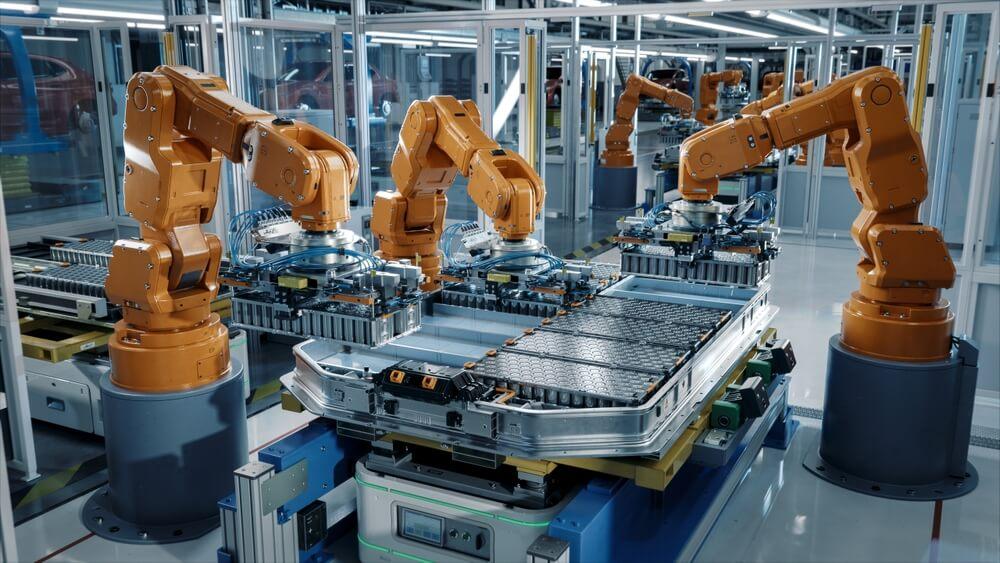
Automation refers to the use of technology to perform tasks, processes, or workflows with minimal human intervention. In enterprise environments, automation is used to streamline business processes, improve system reliability, reduce errors, and accelerate delivery cycles. Automation can be applied across IT operations, software testing, business workflows, and system integrations.

Our Automation Services
We support organizations across multiple automation needs, including:
- Business process automation
- Test automation and quality engineering
- Workflow automation across enterprise systems
- Automation integration with cloud and DevOps pipelines
- Monitoring and validation of automated processes
Each automation initiative is designed to fit within the organization’s existing systems and governance models.


How Automation Helps Organizations
Our automation services help organizations:
- Reduce repetitive manual tasks
- Improve accuracy and consistency
- Accelerate delivery and release cycles
- Lower operational costs over time
- Improve system reliability and visibility
- Support scalability without proportional effort increases

Common Automation Use Scenarios
Organizations typically adopt automation when they are:
- Experiencing operational inefficiencies
- Scaling systems and processes rapidly
- Improving software quality and testing coverage
- Integrating multiple enterprise platforms
- Supporting DevOps, cloud, and AI-driven workflows


Our Automation Approach
- Assessment
Identify processes suitable for automation and assess impact. - Design
Define automation workflows aligned with business and IT controls. - Implementation
Build and integrate automation solutions within enterprise systems. - Optimization
Monitor performance and refine automation for long-term efficiency.
This approach ensures automation delivers measurable value without disrupting operations.
Automation FAQs
1. What types of processes can be automated in an enterprise?
Many enterprise processes can be automated, including repetitive business workflows, system monitoring, software testing, data handling, and integration tasks. Automation is most effective for rule-based, high-volume activities that require consistency and accuracy. A proper assessment helps determine which processes deliver the highest return when automated without introducing operational risk.
2. How is automation different from artificial intelligence?
Automation focuses on executing predefined tasks and workflows based on rules, while artificial intelligence involves systems that learn, reason, or make decisions. Automation can operate independently or alongside AI. In enterprise environments, automation often provides structure and reliability, while AI enhances automation with intelligence, adaptability, and decision support.
3. How does automation improve software quality and delivery?
Automation improves software quality by enabling consistent and repeatable testing, faster feedback, and early defect detection. Test automation reduces manual testing effort and improves coverage, while workflow automation supports continuous integration and delivery. Together, these practices help organizations release software faster without compromising stability or reliability.
4. What challenges should organizations consider before automating?
Before automating, organizations should assess process stability, data quality, system dependencies, and governance requirements. Automating poorly defined or frequently changing processes can introduce inefficiencies. A structured automation strategy ensures processes are optimized first, risks are managed, and automation aligns with long-term operational goals.
5. How is automation maintained over time?
Automation solutions require ongoing monitoring, updates, and optimization as systems, processes, and requirements evolve. Regular maintenance ensures automation remains effective, compatible with underlying platforms, and aligned with business needs. Continuous improvement helps prevent automation from becoming outdated or introducing unintended operational issues.